
Loading...
Serving Summerville, SC and surrounding areas. (854) 888-4697
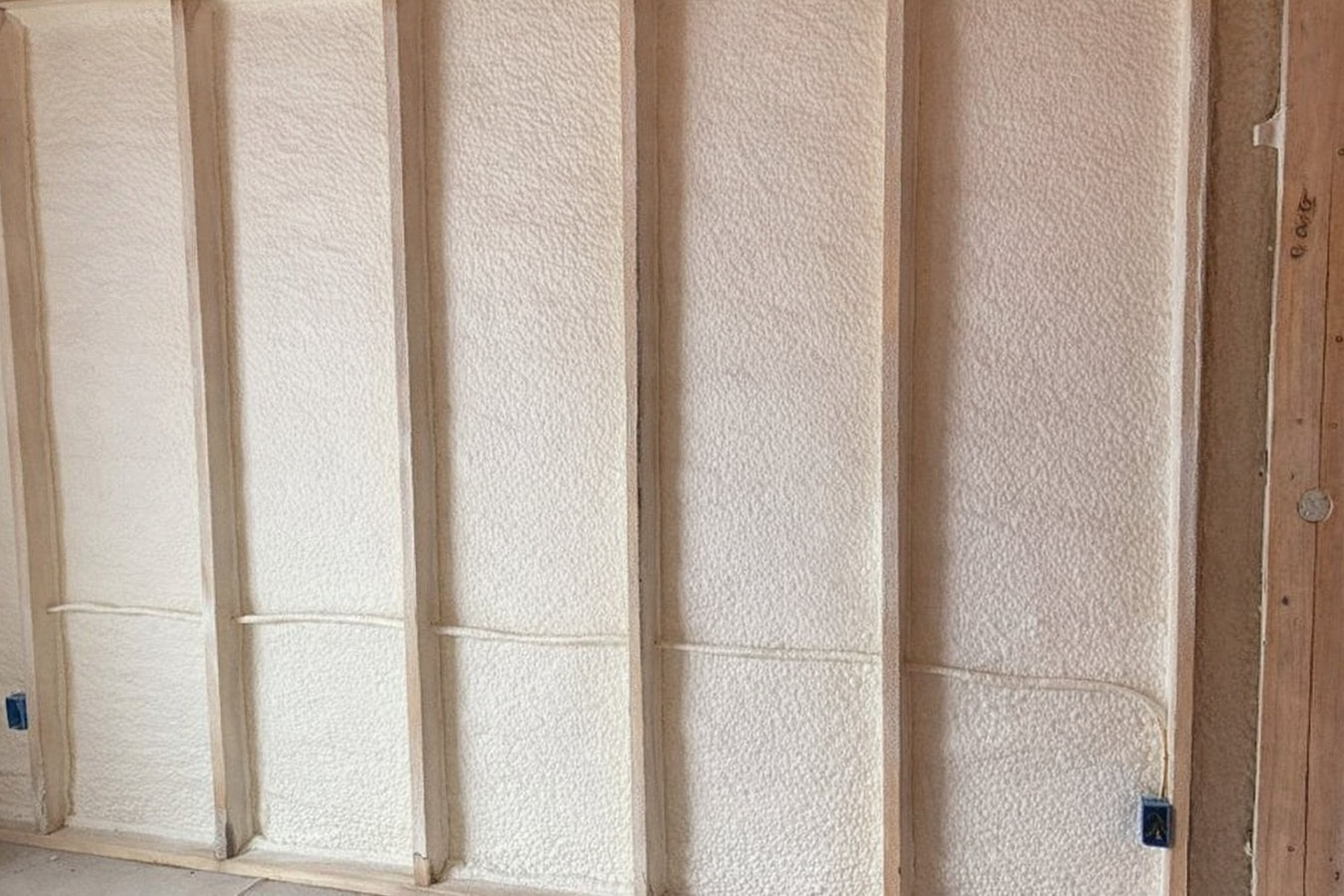
Summerville summers are relentless. Closed-cell spray foam blocks both heat and moisture in one pass - giving your crawl space and attic the protection they need for real, lasting results.
Closed-cell spray foam insulation in Summerville, SC expands and hardens into a rigid, dense layer that blocks both heat and moisture at the same time - most crawl space and attic jobs are completed in one to two days, with a mandatory 24-hour re-entry period after spraying.
Standard insulation types like fiberglass batts or blown-in cellulose slow heat transfer, but they do not seal air leaks or stop moisture vapor from moving through your walls and floor system. In Summerville's hot-humid climate, that gap matters - a lot. Closed-cell foam handles all three problems in a single application, which is why it is the go-to choice for crawl spaces and attic rim joists in the Lowcountry. Many homeowners who invest in closed-cell foam also pair it with our spray foam insulation services for a broader scope that covers the full building envelope.
Because closed-cell foam cures into a rigid, permanent layer, it also adds a small amount of structural stiffness to the surfaces it covers - a secondary benefit that matters in older Summerville homes where framing has shifted over time. The Spray Polyurethane Foam Alliance provides homeowner-facing guidance on what to expect from a professional installation.
If your electric bill climbs dramatically from May through September even when you keep the thermostat steady, your home is likely losing the cooling battle through air leaks and poor insulation. In Summerville, where summer heat and humidity are relentless for four to five months, a home that is not properly sealed will force your air conditioner to run almost continuously.
If you have ever noticed a damp smell, dark staining on the wood, or visible condensation on pipes and joists under your home, your crawl space is taking on moisture from the ground and humid Lowcountry air. Left alone, that moisture leads to mold, wood rot, and eventually structural damage. Closed-cell foam cuts off the moisture pathway before it reaches your floor system.
If one bedroom, a bonus room over the garage, or a room at the end of a hallway is always noticeably warmer than the rest of the house, that room likely has inadequate insulation or significant air leaks. This is especially common in older Summerville homes where insulation was installed decades ago and has settled or degraded.
Termites, wood-boring beetles, and moisture-loving pests thrive in the damp, dark crawl spaces common in Summerville's older housing stock. If you have had a pest treatment or noticed evidence of moisture damage under your home, sealing the crawl space with closed-cell foam removes the damp environment that attracts those pests in the first place.
The most common application for closed-cell foam in Summerville is crawl space encapsulation - sealing the walls and rim joist area of your crawl space to stop moisture vapor and humid outside air from entering the floor system. It is also widely used to seal the attic rim joist, insulate open wall cavities in new construction, and condition attic spaces by sealing the underside of the roof deck. For homeowners who want to compare options, open-cell foam insulation is a more budget-friendly alternative for interior applications where vapor control is less critical.
Closed-cell foam costs more per square foot than blown-in or batt insulation, but it delivers more value per inch of thickness - and it does not degrade or compress the way softer materials can. For Summerville homeowners who want the longest-lasting solution with the lowest ongoing maintenance, it is often the most cost-effective choice over a 10- to 20-year window. We also offer spray foam insulation assessments that help you decide which foam type and coverage area will produce the best return for your specific home. Every project starts with a written estimate that details the area, foam thickness, and total cost before any work begins.
The most effective way to seal and condition a Summerville crawl space - stops moisture vapor, ground humidity, and outside air in one application.
Targets the band of framing at the top of your foundation or attic perimeter - a high-impact area where air and moisture enter most homes.
Best for new construction or open-wall renovations where the highest R-value per inch is needed and moisture control is a priority.
Creates a conditioned attic space by sealing the underside of the roof deck - keeps ductwork in a controlled environment and reduces cooling load.
Summerville sits in a climate zone that is genuinely one of the most demanding in the country for crawl spaces and building envelopes. Summer humidity regularly pushes above 80 percent, and temperatures stay in the 90s for months at a time. That combination means your home is constantly fighting to keep hot, wet air out - and standard insulation alone often cannot win that fight. A large share of Summerville's housing stock - particularly homes built before the 2000s in established neighborhoods like Knightsville and Newington Plantation - sits on crawl space foundations where moisture control has historically been an afterthought. Homeowners in Ladson face the same Lowcountry conditions and benefit from the same closed-cell foam approach for their crawl spaces.
Summerville's rapid growth - driven by communities like Nexton and Carnes Crossroads - has also created a large population of newer homes where builder-grade insulation is the norm. Meeting minimum code and having the best available protection are two different things, and homeowners in newer subdivisions who are still seeing high summer energy bills may find that a targeted closed-cell upgrade in the crawl space or attic rim area makes a meaningful difference. South Carolina follows a statewide residential energy code, and the South Carolina Energy Office provides details on current requirements by climate zone. Our work also extends to Hanahan, where similar foundation types and humidity levels make crawl space foam just as valuable.
We ask a few basic questions - what area of your home you want insulated, whether it is a crawl space or attic, and roughly how old your home is. We respond within 1 business day and can typically schedule an on-site estimate within the same week.
A contractor walks through the space with you - usually the attic, crawl space, or both. We check the size of the area, what is already there, whether there are any moisture issues to address first, and how accessible the space is for spray equipment. You get a written estimate before we leave.
Clear the area being insulated and arrange to be out of the home for at least 24 hours after spraying. This is a firm requirement, not a suggestion. Your contractor will give you specific prep instructions so there are no surprises on the day of the job.
The crew arrives with spray equipment, masks off any surfaces that should not get foam, and applies the material in controlled passes. A typical crawl space or attic job takes one full day. After curing, do a final walkthrough together before the crew packs up - the foam should be firm, fully adhered, and odor-free.
Free written estimate. No pressure. We respond within 1 business day.
(854) 888-4697Our crews have applied closed-cell foam across Summerville crawl spaces and attics for years, so the work is done right the first time. Spray foam requires precision, and hiring a crew that does this every week protects your investment.
We check for signs of existing moisture problems in your crawl space or attic before the spray rig arrives. Installing foam over an active moisture problem traps it rather than solving it - and we will not do that to your home. If remediation is needed first, we will tell you.
Every job starts with a written estimate that spells out the area, foam type, thickness, and total cost. No ballpark figures. No line items added after the fact. You know exactly what you are agreeing to before anyone picks up a spray gun.
We have installed closed-cell foam in homes throughout Summerville - from older homes in established neighborhoods like Knightsville to newer construction in Cane Bay Plantation. We know what Lowcountry crawl spaces look like and what they need.
Closed-cell foam is a long-term investment in your home's comfort and durability - and it only pays off when the job is done right the first time. Our approach combines a moisture-first assessment, permit coordination when a project calls for it, and a written quote before any spray rig arrives. Every step of the work is documented so you know exactly what went into your home.
A more budget-friendly spray foam option for interior walls and attics where vapor control is less critical than in a crawl space.
Learn more about Open-cell foam insulationCompare closed-cell and open-cell options and see which spray foam approach fits your home and budget.
Learn more about Spray foam insulationSpots fill fast heading into cooling season - the sooner your crawl space or attic is sealed, the sooner you stop fighting the heat. Reach out today and we will respond within 1 business day.